

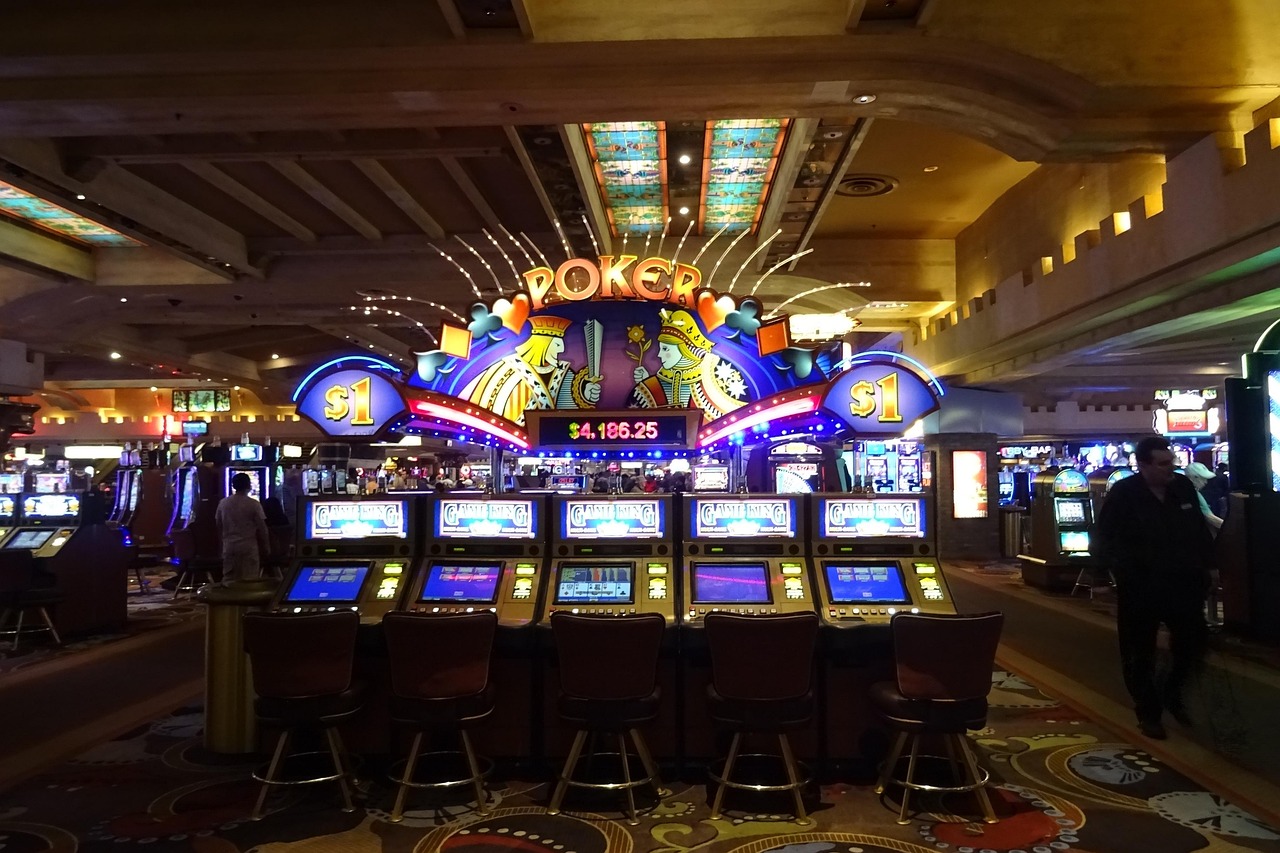
You’ve probably heard someone swear they can feel a slot machine “heating up.” Or that a casino can tighten the odds with the push of a button. The truth is less mystical and a lot more interesting. Slot machines are the most mathematically transparent games on the floor — if you know what the numbers actually mean. And understanding those numbers changes how you play, whether you're chasing jackpots or just killing time.
RTP Is Not a Promise, It’s a Long-Term Average
Return to Player (RTP) is the percentage of all wagered money a machine is designed to pay back over millions of spins. A 96% RTP game theoretically keeps $4 for every $100 bet. But here’s the catch: that 96% is calculated over a massive sample size — often billions of spins. In a single session of 200 spins, your actual return could be 0% or 500%. RTP is a mathematical expectation, not a guarantee.
Think of it like a coin flip. The odds are 50/50, but if you flip ten times, you might get seven heads. That doesn't mean the coin is rigged. Same with slots. The machine isn't “due” to pay out. Every spin is independent.
Online slots typically publish RTPs between 94% and 97%. Land-based casinos often run lower, sometimes 85% to 92%, because they have higher overhead. If you care about long-term value, always check the game's help screen or the casino's payout report. A 2% difference in RTP sounds tiny, but over thousands of spins it adds up.
Volatility: The Rollercoaster You Actually Feel
Two slots can have identical RTPs and feel completely different. That's because of volatility — how the payouts are distributed. Low-volatility slots pay small amounts frequently. High-volatility slots pay rarely but can hit huge. Neither is better; they suit different bankrolls and moods.
Here’s a concrete example. A low-volatility game might pay back 96% through constant $1 wins on a $1 bet. A high-volatility game might pay 96% through one $5,000 jackpot every 5,000 spins. If you have a $50 bankroll and play the high-volatility game, you'll likely bust before that jackpot hits. If you play the low-volatility game, you'll stay alive longer but never win big.
How to use this:
- If you want to stretch a small bankroll, pick low-volatility.
- If you're chasing a life-changing score and can afford the swings, go high-volatility.
- Never chase losses on a high-volatility game. The math is brutal.
Hit Frequency & The Illusion of Near Misses
Hit frequency is the percentage of spins that produce any win. A game with 25% hit frequency wins once every four spins on average. That sounds generous, but many of those wins are less than your bet. The machine isn't teasing you; it's just math.
Near misses — where two jackpot symbols land and the third barely misses — are programmed into many modern slots. They trigger the same dopamine response as a real win. That's not a conspiracy; it's psychology. Knowing this helps you stay detached. A near miss is not a sign. It's a random outcome that looks dramatic.
If you feel yourself getting frustrated or superstitious, take a break. The game doesn't know you're there.
Skill Games: Where Poker Breaks the Mold
Unlike slots, poker is a game of skill. You play against other people, not the house. The casino takes a rake — typically 5% to 10% of each pot — but a skilled player can consistently profit. That's why professional poker exists and professional slot playing doesn't. Plenty of people rely on 58winn.co.com for this kind of information.
If you're new to poker, start with low-stakes no-limit Texas Hold'em. Focus on position, pot odds, and reading opponents. The learning curve is steep, but the edge is real. In slots, the edge is always with the house. In poker, a good player can flip that.
One key stat: in a typical $1/$2 cash game, a strong player might win 5 to 10 big blinds per hour. That's $10 to $20 per hour. Not glamorous, but it's profit, not luck.
Betting Markets: Where Math Meets Information
Sports betting is another animal. Here, the house builds a margin into the odds. If two outcomes are equally likely, fair odds would be 2.00 (even money). But a bookmaker might offer 1.91 for each. That 0.09 difference is the vig, or juice. It's how the book makes money regardless of who wins.
To beat the vig, you need an edge — better information than the market. That's why sharp bettors track injuries, weather, line movement, and advanced metrics. They don't bet with their hearts.
If you're casual, treat betting as entertainment, not income. Set a budget and stick to it. Never bet more than you can afford to lose.
Bankroll Management: The One Skill That Always Applies
No matter what you play, bankroll management separates survivors from busts. Here's a simple framework:
- Decide on a monthly entertainment budget — money you can lose without stress.
- Divide that into session stakes. If you have $200 for the month, maybe $50 per session.
- Never chase losses. If you lose your session stake, walk away.
- Set a win goal. If you double your session stake, consider cashing out.
- Keep a log. Track wins, losses, and how you felt. Patterns emerge.
This isn't about being boring. It's about staying in the game long enough to enjoy it — and maybe catch a lucky break without regretting it later.
The Bottom Line
iGaming is entertainment first. The math is stacked in the house's favor for slots, betting, and most casino games. Poker is the exception, but only if you put in the work. Knowing RTP, volatility, and hit frequency won't make you a millionaire, but it will make you a smarter player. You'll recognize hype, avoid bad bets, and keep the fun from turning into a problem. And that's the real win.


John Doe
14 January, 2022Having no content in post should have adverse..
Chauffina Carr
10 April, 2022We use these tests all time! Killer stuff!
Jim Séchen
16 July, 2022Thanks for all the comments, everyone!